




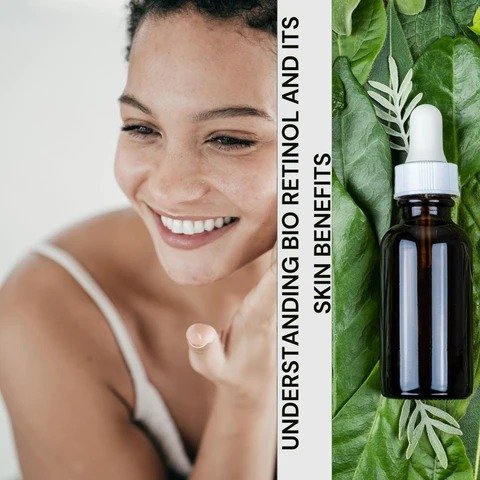
Retinoids have long been considered the gold standard in skincare for addressing concerns such as fine lines, wrinkles, uneven skin tone, acne, and loss of firmness. Derived from Vitamin A, ingredients like retinol, retinaldehyde, and prescription retinoids are widely recognized for their ability to accelerate cell turnover and stimulate collagen production. However, despite their effectiveness, traditional retinoids can cause side effects such as redness, dryness, peeling, and increased skin sensitivity. These challenges have fueled interest in a new generation of ingredients known as bio-retinol alternatives.Bio-retinol alternatives are plant-based actives that aim to deliver some of the skin-renewing benefits associated with retinoids while minimizing irritation. As consumers increasingly seek gentle, natural, and sustainable skincare solutions, these ingredients are becoming a major focus in product development and cosmetic research.
What Are Bio-Retinol Alternatives?
Bio-retinol alternatives are naturally derived ingredients that mimic certain effects of retinoids without containing Vitamin A itself. Unlike traditional retinoids, these plant-based compounds typically do not require conversion within the skin and are often better tolerated by sensitive skin types.These ingredients are commonly used in skincare products designed to improve skin texture, reduce the appearance of fine lines, promote firmness, and enhance overall skin radiance. While they may not work through exactly the same biological pathways as retinoids, many have demonstrated promising benefits that make them attractive alternatives for consumers seeking gentler skincare options.
Bakuchiol: The Most Popular Bio-Retinol
Among all plant-based retinol alternatives, Bakuchiol has gained the most attention. Extracted from the seeds and leaves of the Psoralea corylifolia plant, Bakuchiol has become a widely used ingredient in modern skincare formulations.Research suggests that Bakuchiol can help improve skin elasticity, reduce the appearance of wrinkles, and support collagen production. Unlike traditional retinol, it is generally associated with less irritation, making it suitable for individuals with sensitive or reactive skin. Additionally, Bakuchiol does not typically increase photosensitivity, allowing it to be used comfortably in both morning and evening skincare routines.Its growing popularity has led many skincare brands to position Bakuchiol-based products as a natural alternative to conventional retinol treatments.
Other Emerging Plant-Based Alternatives
Beyond Bakuchiol, several botanical ingredients are being explored for their skin-renewing properties. These include extracts derived from plants rich in antioxidants, polyphenols, and bioactive compounds that support healthy skin function.Ingredients such as Bidens Pilosa extract, Alfalfa extract, and Mastic extract are increasingly appearing in anti-aging formulations. These botanical actives are believed to help improve skin firmness, smoothness, and radiance while supporting the skin’s natural renewal processes. Although research on some of these ingredients is still evolving, their potential has generated significant interest among cosmetic scientists and skincare manufacturers.
Comparing Bio-Retinol Alternatives and Traditional Retinoids
While bio-retinol alternatives offer many advantages, it is important to understand that they are not direct replacements for prescription-strength retinoids. Traditional retinoids have decades of scientific evidence supporting their effectiveness for treating acne, photoaging, and various skin concerns. Their ability to influence skin cell behavior is well documented and remains unmatched in many clinical settings.However, bio-retinol alternatives provide unique benefits that appeal to a broader audience. They are often gentler on the skin, suitable for those who cannot tolerate retinoids, and compatible with minimalist skincare routines. Many users appreciate the ability to achieve gradual improvements without experiencing significant irritation or downtime.For individuals with sensitive skin, beginners to anti-aging skincare, or those seeking plant-based beauty solutions, bio-retinol alternatives can be an excellent option.
Why the Beauty Industry Is Embracing Bio-Retinol
The rise of clean beauty, sustainability, and wellness-focused skincare has accelerated demand for naturally derived ingredients. Consumers are increasingly interested in products that combine efficacy with a favorable safety profile. As a result, cosmetic brands are investing heavily in research surrounding botanical actives that can deliver visible results without compromising skin comfort.Bio-retinol ingredients align well with these trends. They offer formulators an opportunity to create products that appeal to consumers looking for natural alternatives while still addressing common concerns such as aging, dullness, and uneven skin texture.The growing popularity of vegan and plant-based beauty products has further contributed to the expansion of this category.
Can Plant-Based Actives Truly Replace Retinoids?
The answer depends on individual skincare goals. For people seeking the strongest clinically proven anti-aging and acne-fighting benefits, traditional retinoids remain the benchmark. Their extensive scientific backing and powerful effects make them difficult to fully replace.However, for individuals who experience irritation from retinoids or prefer naturally derived skincare solutions, bio-retinol alternatives can provide meaningful benefits. While they may not deliver identical results, ingredients such as Bakuchiol and other botanical extracts offer a promising balance between efficacy and tolerability.Rather than viewing bio-retinol alternatives as direct competitors to retinoids, many skincare experts see them as complementary options that expand consumer choice and allow for more personalized skincare routines.
Conclusion
Bio-retinol alternatives represent one of the most exciting developments in modern skincare. By harnessing the power of plant-based actives, these ingredients offer a gentler approach to addressing signs of aging, uneven texture, and loss of radiance. While traditional retinoids continue to lead in terms of clinical effectiveness, botanical alternatives such as Bakuchiol are proving that natural ingredients can play a valuable role in advanced skincare formulations. As research continues and new plant-derived actives emerge, bio-retinol technology is likely to become an increasingly important part of the future of skincare innovation.
Contact Nikole Kozmetics Pvt. Ltd.
Email: info@nikolekozmatics.com
Mobile: +91 81691 30305
Website: https://www.nikolekozmatics.com
Facebook: https://www.facebook.com/247nikole/
Instagram: https://www.instagram.com/nikolekozmetics/
LinkedIn: https://www.linkedin.com/company/nikole-kozmetics-pvt-ltd/
India Mart: https://www.indiamart.com/nikolekozmetics/
