




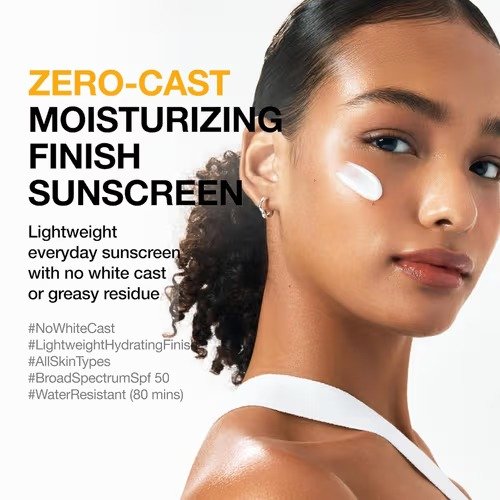
For years, one of the biggest challenges in sun protection has been the dreaded white cast left behind by many sunscreens, especially mineral formulations. While sunscreen is essential for protecting the skin from harmful UV rays, consumers increasingly demand products that feel lightweight, blend seamlessly, and remain invisible on all skin tones. This demand has sparked a race among skincare brands and researchers to develop “zero white cast” sunscreen technologies.
The white cast problem primarily comes from mineral UV filters such as zinc oxide and titanium dioxide. These ingredients sit on the skin’s surface and reflect UV radiation, but they also reflect visible light, creating a chalky appearance. This effect is particularly noticeable on medium to deep skin tones, making many users reluctant to wear sunscreen consistently.
To solve this issue, sunscreen manufacturers have invested heavily in advanced particle engineering. One major innovation is the use of micronized and nano-sized mineral particles. By reducing particle size, formulators can decrease visible light scattering while maintaining UV protection. The result is a more transparent finish that significantly reduces the appearance of white residue.
Researchers are also exploring entirely new mineral structures. In 2026, scientists at UCLA developed a novel zinc oxide particle shape that produces a warmer, more natural appearance on the skin while maintaining strong UV protection. This breakthrough could help future mineral sunscreens become nearly invisible across a wider range of skin tones.
Another strategy involves tinted and color-correcting technologies. By incorporating iron oxides and adaptive pigments, brands can neutralize the white appearance of mineral filters and create formulas that blend more naturally with different complexions. Many modern tinted sunscreens now provide both UV protection and cosmetic benefits with minimal visible residue.
- What Causes White Cast?
- Mineral UV filters such as Zinc Oxide and Titanium Dioxide sit on the skin’s surface. These ingredients reflect UV rays to protect the skin.
- They also reflect visible light, creating a chalky or white appearance.
3. Growing Consumer Demand
•Consumers want sunscreens that are lightweight and easy to blend.
Modern users prefer products that work well under makeup.
Inclusive beauty trends have increased demand for formulas suitable for all skin tones.
4. Advanced Particle Technology
Manufacturers are using micronized and nano-sized mineral particles.
- Smaller particles scatter less visible light.
This helps create a more transparent finish while maintaining UV protection.
5. New Zinc Oxide Innovations
- Researchers are developing advanced zinc oxide structures.
New particle designs reduce the whitening effect on the skin.
These innovations improve the appearance of mineral sunscreens without reducing effectiveness.
6. Tinted Sunscreen Solutions
Many brands add iron oxides and skin-tone pigments.
- Tinted formulas help neutralize white residue.
They provide a more natural and even-looking finish.
7. Hybrid Sunscreen Formulas
- Hybrid sunscreens combine mineral and chemical UV filters.
- Chemical filters are naturally transparent on the skin.
The combination improves texture, spreadability, and appearance. - Contact Nikole Kozmetics Pvt. Ltd.
Email: info@nikolekozmatics.com
Mobile: +91 81691 30305
Website: https://www.nikolekozmatics.com
Facebook: https://www.facebook.com/247nikole/
Instagram: https://www.instagram.com/nikolekozmetics/
LinkedIn: https://www.linkedin.com/company/nikole-kozmetics-pvt-ltd/
India Mart: https://www.indiamart.com/nikolekozmetics/
